

Understanding Joint Replacement: What to Expect Before and After Surgery
Joint replacement surgery has become a life-changing procedure for individuals suffering from severe joint pain, arthritis, or injuries. Whether it’s a hip, knee, or shoulder joint, understanding the process can help patients feel more confident and prepared.
What is Joint Replacement?
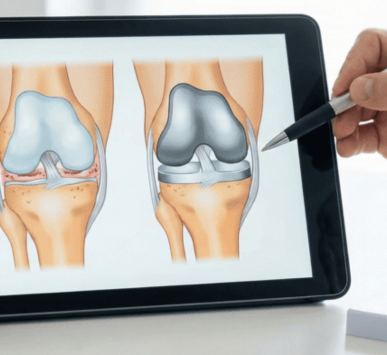
Joint replacement, also known as arthroplasty, involves removing a damaged joint and replacing it with an artificial implant. This surgery is typically recommended for patients who experience chronic pain, stiffness, or limited mobility that affects daily life.
Signs You May Need Joint Replacement
- Persistent joint pain not relieved by medications
- Difficulty walking or performing daily activities
- Joint stiffness that limits range of motion
- Severe arthritis visible on X-rays
Dr. Emad Ansari evaluates each patient individually to determine whether joint replacement is the best solution.
Preparing for Surgery
Preparation is key to a successful outcome. Here’s what patients can expect:
- Medical Evaluation: Blood tests, X-rays, and sometimes MRI scans are done to assess overall health and joint condition.
- Medication Review: Certain medications may need to be adjusted before surgery.
- Physiotherapy: Pre-surgery exercises can strengthen muscles and improve recovery.
- Lifestyle Adjustments: Maintaining a healthy weight, quitting smoking, and improving nutrition can help ensure faster healing.
During Surgery
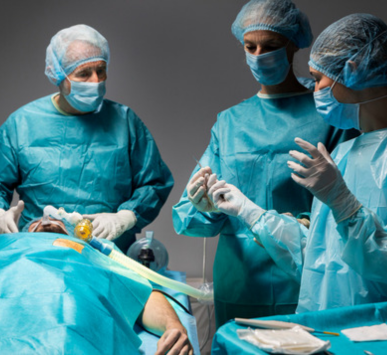
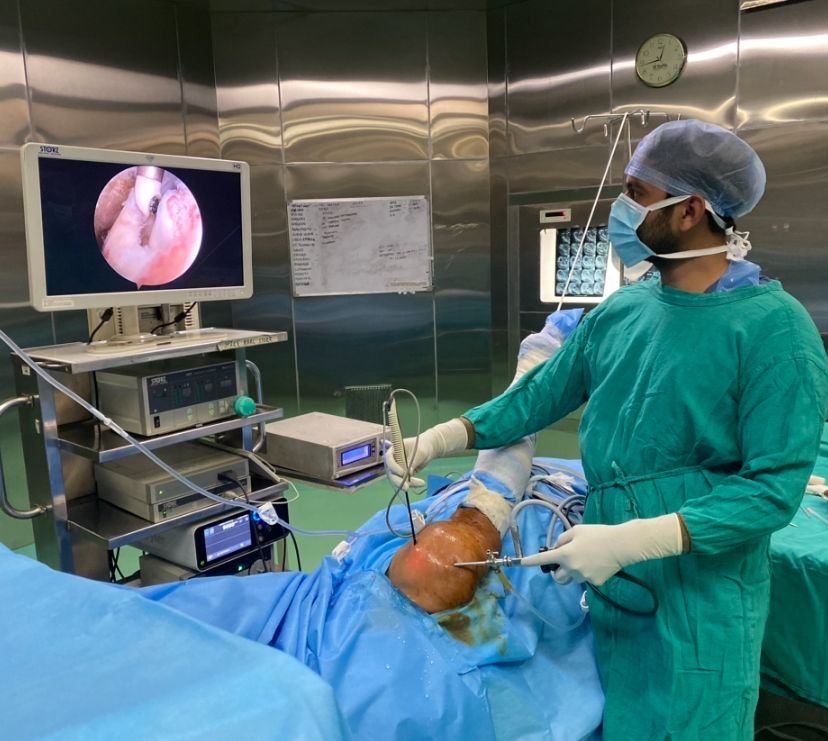
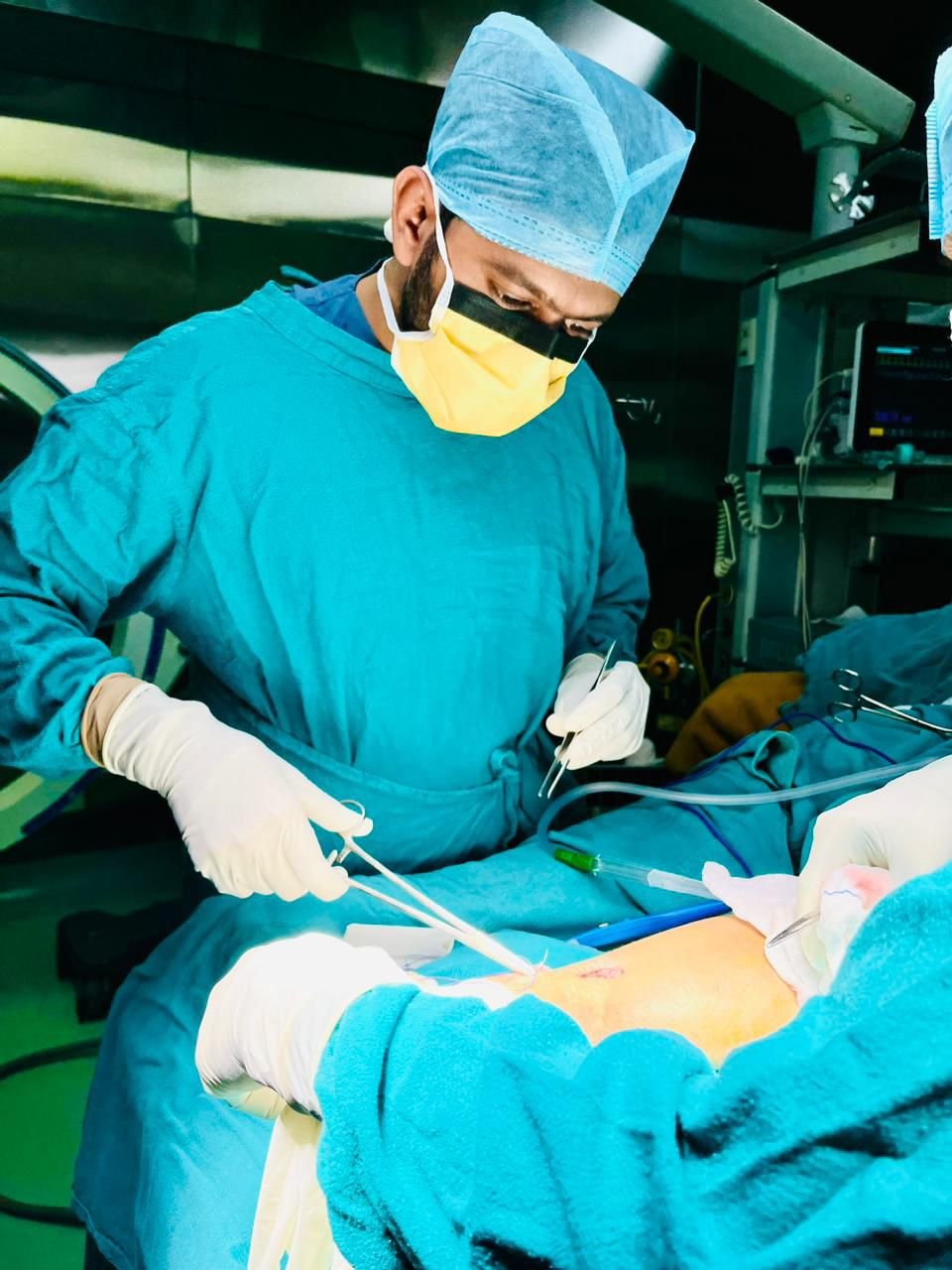
Joint replacement surgery is usually performed under general or spinal anesthesia. The damaged joint is removed, and a prosthetic implant is carefully placed. The procedure typically lasts 1–3 hours depending on the joint and complexity.
Recovery After Surgery
Recovery is gradual and requires a combination of rest, physiotherapy, and lifestyle adjustments:
- Hospital Stay: Usually 2–5 days, depending on the type of joint replaced.
- Pain Management: Medications and therapies help control pain and swelling.
- Physiotherapy: Exercises focus on regaining mobility, strength, and function.
- Daily Activities: Gradual return to normal activities is advised, avoiding high-impact exercises initially.
Dr. Emad Ansari emphasizes a tailored rehabilitation plan for each patient to ensure optimal results.
Long-Term Care and Joint Health
After surgery, it’s important to:
- Follow physiotherapy instructions consistently
- Avoid high-impact sports or movements that strain the joint
- Maintain a healthy weight to reduce stress on the joint
- Attend regular follow-ups to monitor implant condition
Joint replacement can dramatically improve quality of life, restore mobility, and reduce pain. With proper care and guidance, patients can return to active and fulfilling lifestyles.
Book Your Consultation
If you are experiencing joint pain or considering joint replacement surgery, schedule an appointment with Dr. Emad Ansari – Orthopaedic Specialist, Bhiwandi for expert evaluation and personalized treatment.